

The best gold plated jewelry delivers the look of solid gold without the price tag, but only when the plating is done right. At the top of the quality spectrum, you want 18k gold plating over a hypoallergenic base metal, a thick enough layer to survive daily wear, and a brand transparent enough to tell you exactly what you’re getting. Pieces that check all three boxes become wardrobe staples. Pieces that don’t start fading within weeks.
Before you shop, here’s what separates genuinely good gold plated pieces from the ones that disappoint:
- 18k gold plating offers the warmest yellow tone and better durability than lower karat options
- Hypoallergenic base metals (sterling silver, stainless steel) prevent skin reactions and slow tarnishing
- Plating thickness matters more than most brands admit — thicker layers last dramatically longer
- Certified quality standards and transparent material disclosures are non-negotiable markers of a trustworthy brand
- Design versatility — pieces that work for both everyday wear and special occasions give you the best value
Table of Contents
- How gold plated, vermeil, and gold-filled jewelry actually differ
- What actually determines how long gold plated jewelry lasts
- How to spot high-quality gold plated jewelry before you buy
- Styling gold plated pieces for every occasion
- How to care for gold plated jewelry so it actually lasts
- Why Trinitycarter stands out for gold plated jewelry
- Smart purchase tips before you commit
- What to expect from gold plated jewelry prices
- Where to buy gold plated jewelry in the US
- Skin reactions and gold plated jewelry: what you need to know
- Environmental and ethical considerations in gold plated jewelry production
- Trinitycarter: affordable luxury gold plated jewelry worth wearing every day
- Key Takeaways
How gold plated, vermeil, and gold-filled jewelry actually differ
These three terms get used interchangeably in marketing copy, but they describe genuinely different products. Understanding the distinction saves you from paying vermeil prices for flash-plated brass.
Gold plated jewelry applies a thin gold layer over any base metal, most commonly brass or copper. The plating can be as thin as 0.5 microns, which looks beautiful in the store and fades within months of regular wear. The base metal quality varies wildly, and that variation is what separates a $15 piece from a $60 one at the same karat rating.
Gold vermeil (pronounced “ver-may”) is a specific standard: at least 2.5 microns of gold plating over sterling silver. In the US, the Federal Trade Commission requires the silver base for a piece to legally carry the vermeil label. The silver base resists corrosion better than brass, and the thicker plating holds up longer. It costs more, but the durability gap is real.
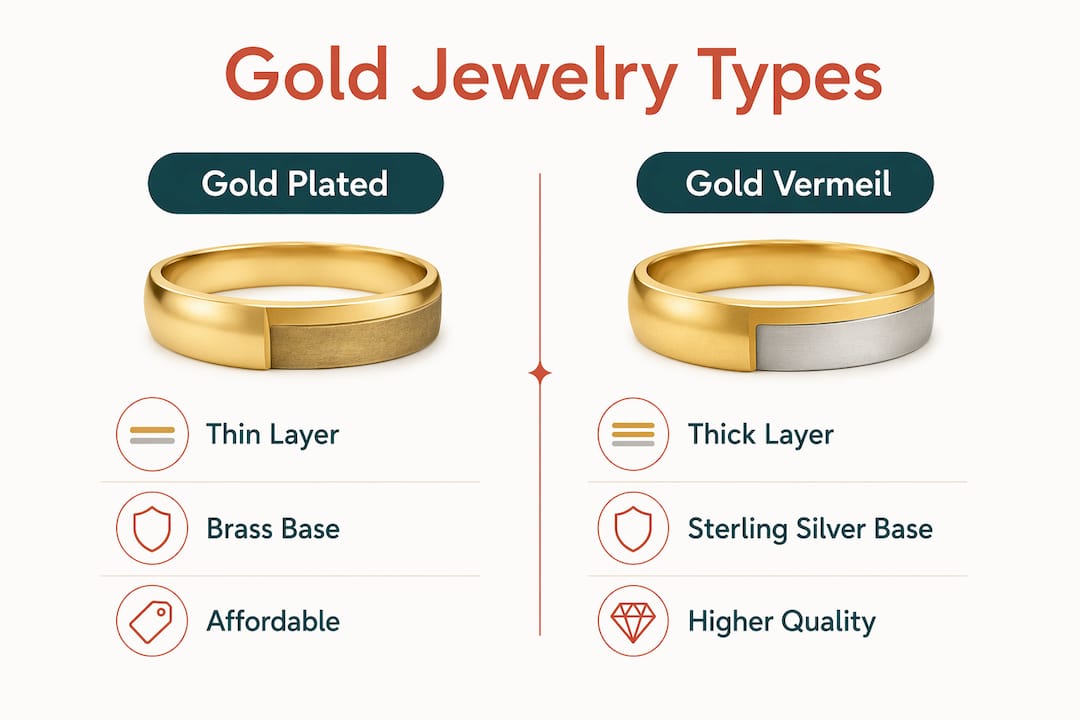
Gold-filled jewelry is a different construction entirely. A layer of solid gold is mechanically bonded to a base metal core, typically brass, under heat and pressure. The gold content must be at least 1/20th of the total weight by US standards. Gold-filled pieces can last decades with basic care.
| Type | Base Metal | Plating Thickness | Durability | Typical Price Range |
|---|---|---|---|---|
| Gold plated | Brass, copper, steel | 0.5–2.5 microns | — | $ |
| Gold vermeil | Sterling silver | 2.5+ microns | 2 years | $$ |
| Gold-filled | Brass (gold-bonded) | 1/20th total weight | 10–30 years | $$$ |
For most women shopping for affordable gold plated jewelry that looks elevated without the investment of gold-filled, high-quality vermeil or thick-plated pieces over sterling silver or stainless steel hit the sweet spot.
What actually determines how long gold plated jewelry lasts
Plating thickness is the single biggest factor in longevity. Gold layering through mechanical bonding can create layers up to 10 times thicker than standard electroplating, which means the difference between a piece that fades in a season and one that holds its color for years. Flash plating, the cheapest method, deposits the minimum amount of gold possible. It photographs well and wears terribly.
The base metal runs a close second. Sterling silver and high-grade stainless steel outperform brass and copper as bases because they don’t oxidize as aggressively when the plating wears thin. With a brass base, you’ll often see greenish discoloration at the edges first, where the plating is thinnest. With stainless steel, the underlying metal stays neutral much longer.
The bonding process itself also plays a role. Electroplating is the industry standard, but the quality of the bath solution, the current used, and the preparation of the base metal all affect how well the gold adheres. Brands that avoid nickel-based coatings and use certified plating processes produce pieces that genuinely function as wardrobe staples rather than seasonal accessories.
Common pitfalls that accelerate wear:
- Exposure to chlorine (pools, hot tubs) strips plating faster than almost anything else
- Perfume and lotion applied directly to plated surfaces break down the gold layer over time
- Abrasive cleaning or rough storage scratches the surface and creates entry points for tarnish
- Sweat, particularly in warm climates, accelerates oxidation of the base metal beneath
Plating thickness callout: Thicker plating increases durability by approximately 10 times over basic flash-plated alternatives, which is why the micron count on a piece is worth asking about before you buy.
How to spot high-quality gold plated jewelry before you buy
The finish tells you a lot before you even read the product description. Genuine quality plating has an even, consistent color with no patchy areas or visible transitions at edges. Cheap plating often shows a slightly brassy or orange undertone at the clasp or back of a pendant, where the layer is thinnest.
Pro Tip: Pick the piece up. Quality gold plated jewelry over a solid base metal has a satisfying weight to it. Lightweight, hollow-feeling pieces almost always use thin base metals that won’t hold plating well.

Hallmarking and material disclosure are your next check. Reputable brands state the karat of the plating, the base metal composition, and the plating thickness in microns. If a product listing says only “gold tone” or “gold color,” that’s a red flag. “Gold plated” without a karat rating is nearly as vague.
Questions worth asking before purchasing:
- What is the karat rating of the gold plating (18k, 14k, 24k)?
- What is the base metal (brass, copper, sterling silver, stainless steel)?
- What is the plating thickness in microns?
- Is the piece nickel-free and hypoallergenic?
- Does the brand offer any guarantee or care service?
Buying from brands with published material standards and transparent production information removes most of the guesswork. The best places to buy gold plated jewelry are those that treat material disclosure as a baseline, not a selling point.
Styling gold plated pieces for every occasion
The 18k yellow gold tone has a warmth that works particularly well on medium and deeper skin tones, giving a classic richness that rose gold and white gold can’t replicate. For fair skin, it reads as a deliberate, fashion-forward choice rather than a default. Either way, it photographs beautifully, which is part of why it dominates the top gold plated accessories market right now.

Layering is the dominant styling approach for everyday wear. Two or three delicate chains at different lengths, a stacking ring set, or a mix of a cuff and a charm bracelet all follow the same principle: individual pieces stay minimal, but the combination creates visual interest. The key is keeping the metal tone consistent. Mixing 18k yellow gold plated pieces with silver or rose gold works only when it’s clearly intentional, not accidental.
Design ideas by occasion:
- Office: A single delicate chain necklace, small stud earrings, and one thin stacking ring keep the look polished without being distracting
- Casual: Layered chains in two lengths, a charm bracelet, and small hoops create an effortless, put-together feel
- Evening: A statement cuff or a crystal-set pendant necklace with simple drop earrings elevates without competing
- Weekend: Stackable rings across two or three fingers, a layered bracelet set, and minimal earrings for a relaxed but styled look
Minimalist and stackable pieces like delicate hoops, layered chains, and charm bracelets have become the go-to for modern women who want style versatility without managing a complicated jewelry wardrobe.
How to care for gold plated jewelry so it actually lasts
The single most effective thing you can do is put your jewelry on last. Perfume, hairspray, sunscreen, and lotion all degrade plating over time. Applying them first and letting them dry before putting on your pieces extends the plating life significantly.
Gentle cleaning is the other non-negotiable. Use a soft cloth dampened with warm water and a tiny drop of mild dish soap. Wipe gently, rinse with clean water, and pat dry immediately. Never soak gold plated pieces, and never use ultrasonic cleaners, which can loosen the plating from the base metal.
Pro Tip: After every wear, wipe your pieces down with a dry microfiber cloth before storing them. This removes skin oils and environmental residue before they have a chance to work into the surface. It takes ten seconds and makes a real difference over months of wear.
Storage matters more than most people realize. Keep pieces in individual soft pouches or lined compartments to prevent scratching. Humidity accelerates tarnishing, so avoid storing jewelry in bathrooms. A small silica gel packet in your jewelry box helps control moisture.
Care checklist:
- Remove jewelry before swimming, showering, or exercising
- Store pieces separately to prevent scratching
- Clean with a soft, damp cloth and mild soap only
- Dry thoroughly before storing
- Avoid direct contact with perfume, lotion, and cleaning products
Why Trinitycarter stands out for gold plated jewelry
Trinitycarter was built around a specific idea: that women shouldn’t have to choose between jewelry that looks expensive and jewelry that actually lasts. The brand uses 18k certified gold plating over hypoallergenic base metals, which addresses both the aesthetic and the durability concerns that make most mass-market gold plated pieces disappointing.
The design philosophy draws from luxury houses like Cartier, Tiffany & Co., and David Yurman, translating those references into pieces that work for real daily wear rather than special occasions only. Crystal-set bands, floral motifs, and architectural chain designs sit alongside cleaner minimalist pieces, so the range covers both the woman who layers delicate chains and the one who wants a single statement cuff to anchor an outfit.
What sets Trinitycarter apart from typical mass-market options:
- 18k certified gold plating with transparent material standards published on every product
- Hypoallergenic base metals that reduce skin sensitivity and slow tarnishing
- Designer-inspired designs at accessible price points, not generic catalog pieces
- Direct-to-consumer e-commerce model that keeps prices lower than traditional retail markup
- Customer satisfaction commitment with care guidance included
The gold plated necklaces and bracelets in the Trinitycarter collection are designed to function as investment pieces within the affordable luxury category, not as fast fashion.
Smart purchase tips before you commit
Read the full product description, not just the headline. A listing that says “18k gold plated” in the title but describes the base metal only as “metal alloy” in the details is hiding something. Brands confident in their materials name them clearly.
Check the return and exchange policy before buying. Quality brands stand behind their pieces. A no-questions-return window of at least 30 days signals that the brand expects the product to arrive as described.
Look for customer photos in reviews, not just star ratings. Photos from actual buyers show how pieces look in real lighting, how they wear after a few weeks, and whether the color matches the product images. Written reviews alone are easy to manipulate; photos are harder to fake.
If you’re buying online, compare the price against what the materials justify. A piece with genuine 18k plating over sterling silver at $15 is almost certainly cutting corners somewhere. Realistic pricing for quality gold plated jewelry in the US typically starts around $30–$80 for everyday pieces, with more elaborate designs running higher.
What to expect from gold plated jewelry prices
Gold plated jewelry covers an enormous price range, and the price alone tells you almost nothing about quality. A $20 piece and a $60 piece can both be described as “18k gold plated” while using completely different plating thicknesses and base metals.
At the entry level (under $30), you’re typically getting thin plating over brass or copper. These pieces look great immediately and are worth buying if you want to try a trend without commitment. Expect to replace them within a year of regular wear.
The mid-range ($30–$100) is where quality starts to correlate with price. Brands in this range more often use sterling silver or stainless steel bases with thicker plating. Pieces in this category, cared for properly, can last several years. This is the range where gold plated jewelry genuinely becomes worth it for everyday wear.
Above $100, you’re often paying for design complexity, brand positioning, or moving into vermeil territory. The durability gains over well-made mid-range pieces are real but incremental. For most women, the $40–$80 range from a brand with transparent quality standards delivers the best value.
Where to buy gold plated jewelry in the US
Department stores like Nordstrom and Macy’s carry gold plated jewelry from established brands, with the advantage of in-person inspection before buying. The trade-off is a higher markup and a narrower selection of brands that prioritize quality over volume.
Specialty jewelry e-commerce brands have become the dominant channel for quality gold plated pieces in the US. Direct-to-consumer brands cut out the retail middleman, which means better materials at lower prices. The key is finding brands that publish their material standards rather than hiding behind vague descriptions.
Marketplaces like Etsy carry independent jewelers who often use quality materials and offer genuine transparency about their process. The inconsistency is higher than with established brands, so reading reviews carefully and messaging sellers with material questions is worth the extra step.
What to avoid: fast fashion retailers that sell jewelry as an afterthought. The gold plated pieces from these channels are almost universally flash-plated over cheap base metals, and they’re priced to be disposable.
Skin reactions and gold plated jewelry: what you need to know
The most common cause of skin reactions from gold plated jewelry isn’t the gold. It’s nickel, which is widely used in base metal alloys because it’s cheap and durable. Many lower-cost gold plated pieces use nickel-containing bases that cause allergic reactions and accelerate tarnishing as the plating wears thin and the base metal makes contact with skin.
Nickel allergy affects a significant portion of the population, and reactions range from mild redness and itching to more pronounced dermatitis. The reaction typically appears at the contact point, most often at the wrist from bracelets, the earlobes from earrings, or the neck from necklaces.
If you’ve had reactions to jewelry in the past, the solution is straightforward: look for pieces explicitly labeled nickel-free with sterling silver or surgical-grade stainless steel bases. These materials are genuinely hypoallergenic and won’t cause reactions even when the plating eventually wears. Thicker plating also delays the point at which the base metal contacts skin, buying you more time even with a less-than-ideal base.
Copper and brass bases can cause a different reaction: green discoloration on the skin. This is a chemical reaction between the metal and your skin’s natural oils and sweat, not an allergy. It’s harmless but cosmetically annoying, and it’s a reliable sign that the plating has worn through.
Environmental and ethical considerations in gold plated jewelry production
Gold mining carries a well-documented environmental cost, from habitat disruption to mercury contamination in artisanal mining operations. Gold plated jewelry uses a fraction of the gold that solid gold pieces require, which is a genuine environmental advantage. The gold content in a plated piece is measured in microns, not grams.
The ethical picture is more complicated on the base metal side. Brass and copper production have their own environmental footprints, and the sourcing of these metals varies widely by brand. Brands that publish supply chain information and use recycled base metals where possible are making a meaningful difference, even if the industry as a whole still has room to improve.
Electroplating itself uses chemical baths that require careful waste management. Responsible manufacturers treat and dispose of these chemicals properly rather than releasing them into water systems. This is an area where asking brands direct questions about their production practices is worth doing, particularly for buyers who prioritize sustainability alongside style.
Certifications to look for include Responsible Jewellery Council (RJC) membership and ISO 14001 environmental management certification. These aren’t guarantees of perfection, but they indicate a brand that has submitted to third-party scrutiny of its practices.
Trinitycarter: affordable luxury gold plated jewelry worth wearing every day
Most gold plated jewelry asks you to compromise. Either the design is beautiful but the quality is questionable, or the quality is solid but the pieces look generic. Trinitycarter was built to close that gap, offering designer-inspired pieces with certified 18k gold plating at prices that don’t require a special occasion to justify.
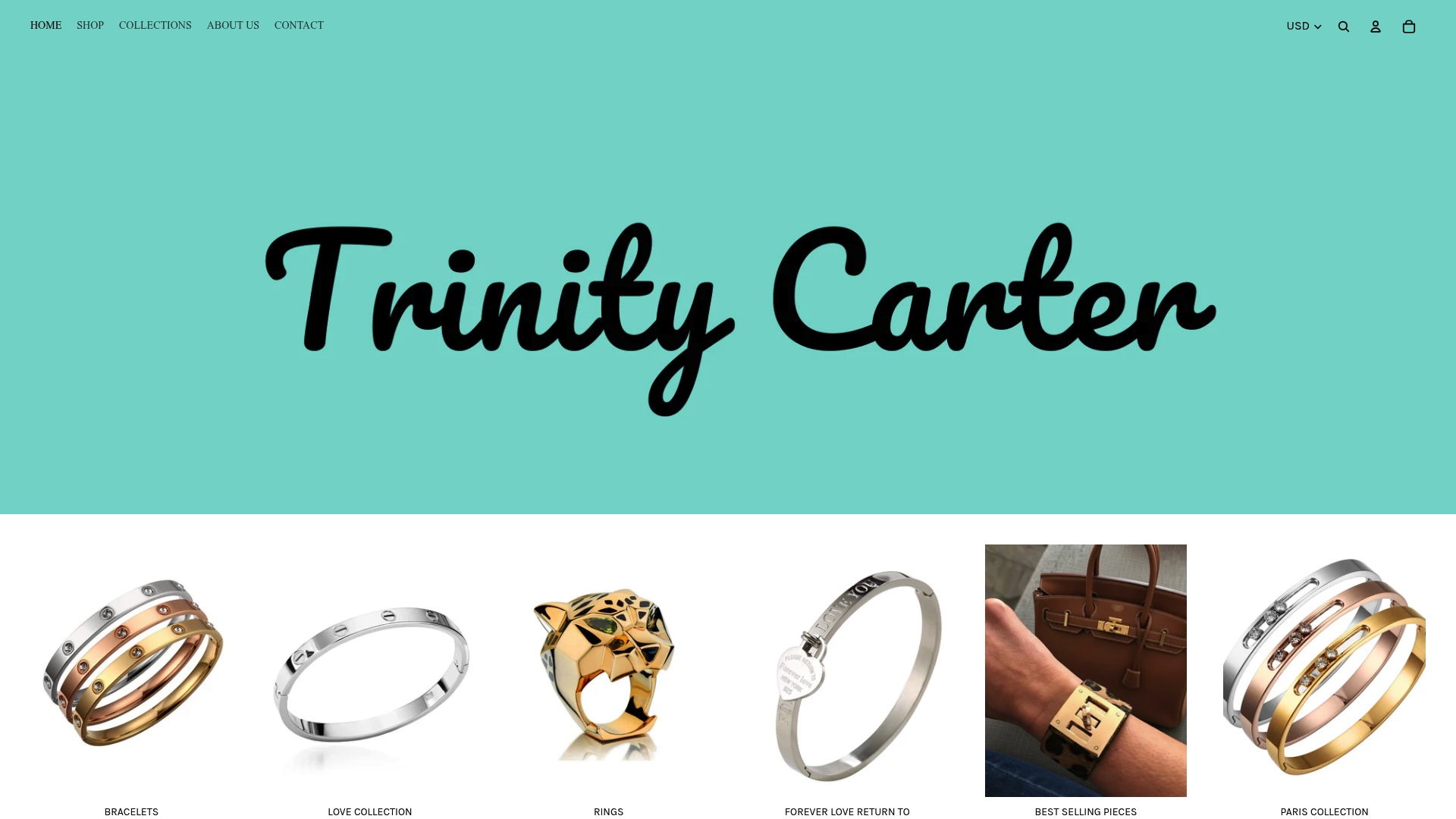
The Essential V Bracelet and the Triple Crystal Classique Ring are good entry points if you want to see what the brand’s quality standard actually feels like in person. Both use hypoallergenic bases and 18k certified plating, and both are designed to layer with other pieces rather than demand the spotlight alone. For women who’ve been burned by fast fashion jewelry that looked great in photos and faded within a month, Trinitycarter’s material transparency is the difference that matters. Browse the full gold plated bracelet collection to find the piece that fits your style.
Key Takeaways
The best gold plated jewelry combines 18k certified plating over a hypoallergenic base metal, transparent material standards, and designs built for daily wear, not just the display case.
| Point | Details |
|---|---|
| Plating thickness is decisive | Thicker plating lasts significantly longer than flash-plated alternatives; always ask for the micron count. |
| Base metal determines skin safety | Nickel-free bases like sterling silver or stainless steel prevent allergic reactions and slow tarnishing. |
| 18k plating is the quality benchmark | 18k gold plating delivers the warmest tone and better durability than lower karat options for daily wear. |
| Care extends lifespan significantly | Wiping pieces after each wear and storing them separately prevents most premature fading and scratching. |
| Trinitycarter delivers certified quality | Trinitycarter uses 18k certified gold plating over hypoallergenic bases with designer-inspired designs at accessible prices. |
