

The safest routine for nearly all cubic zirconia jewelry is warm water, a drop of mild dish soap, and a soft-bristled brush. CZ itself rarely tarnishes, but the metal setting, glue, or plating around it often will. Wipe pieces after wearing them, skip bleach and toothpaste entirely, and you’ll keep the sparkle without risking the setting.
TL;DR:
- Regular cleaning with warm water, mild dish soap, and a soft brush preserves the shine by removing body oils and grime from metal settings and mountings.
- Ultrasonic and steam cleaning are safe mainly for well-set, solid-metal mounted CZ pieces; avoid them if stones are glued, plated, or the jewelry is antique or fragile.
- Exposure to household bleach, chlorine, abrasives, and harsh cleaners can corrode metal parts or scratch the CZ surface, leading to damage over time.
- Storing each piece separately in soft pouches and wiping after each wear prevents scratches and maintains the jewelry’s brilliance longer.
- Visit a jeweler for any persistent cloudiness, loose stones, chips, or signs of worn plating; professional inspections once or twice a year help prevent loss or damage.
Table of Contents
- What Cubic Zirconia Care Actually Protects
- How Do You Clean Cubic Zirconia at Home?
- Is Ultrasonic or Steam Cleaning Safe for CZ?
- What Damages Cubic Zirconia and Its Setting
- Storage Habits That Keep the Sparkle Longer
- When Should You Take CZ Jewelry to a Jeweler?
- Trinity Carter’s Notes on Plated and Crystal-Inlay Pieces
- Why We Build Our Collections Around Cubic Zirconia
- Shop Care-Friendly Cubic Zirconia Pieces at Trinity Carter
- Sources
What Cubic Zirconia Care Actually Protects
Cubic zirconia is lab-created zirconium dioxide, engineered to mimic a diamond’s fire without the price tag. It ranks around 8 to 8.5 on the Mohs hardness scale, which puts it well above household dust and most everyday scuffs, but still soft enough to pick up fine scratches from harsher grit over years of wear.
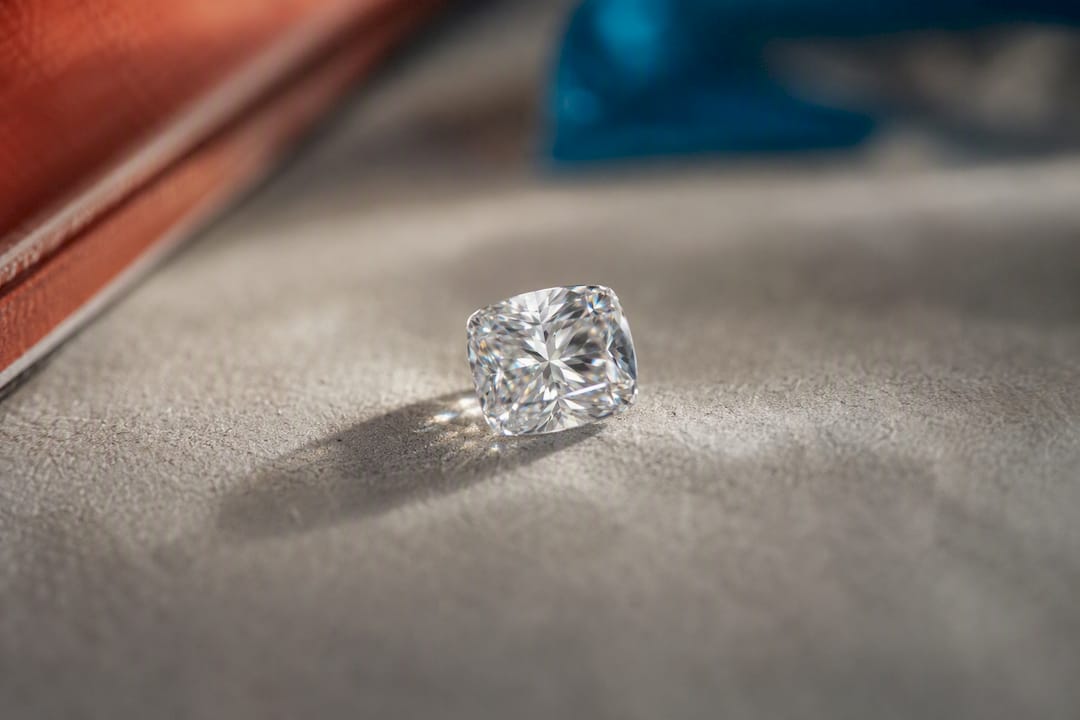
Here’s the part most people get wrong: when a CZ stone looks cloudy, the stone usually isn’t the problem. Body oil, hand lotion, and dried soap film settle into the facets and cut the light return, so the sparkle looks like it’s fading when it’s really just buried under residue. The setting around the stone is the real weak point. Glue holding a stone in place can loosen, plating can wear thin, and prongs can shift, all while the CZ itself sits underneath completely unbothered. Cubic zirconia care, in practice, is really metal and mounting care with a quick stone wipe attached.
How Do You Clean Cubic Zirconia at Home?
You don’t need special jewelry cleaner for most CZ pieces. A bowl of warm water, a few drops of mild dish soap, and a soft-bristled brush (an old, clean toothbrush works fine) handle the job in under ten minutes.
- Set up two bowls. Fill one with warm water and a couple of drops of mild dish soap. Fill the second with plain warm water for rinsing.
- Soak briefly. Drop the piece into the soapy water and let it sit for two to three minutes to loosen oils and film.
- Brush gently. Use the soft brush to work under the stone, around the prongs, and along the setting’s edges, where grime collects the most.
- Rinse thoroughly. Move the piece to the second bowl and swish it around until no soap residue remains.
- Pat dry. Use a lint-free cloth, then let the piece air-dry fully before storing it.
- Buff for shine. A soft polishing cloth on the finished metal and stone brings back the shine in seconds.
For frequency, a quick wipe after each wear keeps oils from building up, and a full wash once a week or every other week is plenty for pieces you wear daily. This lines up with the standard care process most jewelry retailers recommend: warm soapy water, a soft brush, a full rinse, and a proper dry.
Pro Tip: Always clean over a bowl or a folded towel, never directly over an open sink drain. A ring is small enough to slip through the stopper gap, and that’s a heartbreaking way to lose a piece over a ten-minute cleaning routine.
Is Ultrasonic or Steam Cleaning Safe for CZ?
It depends entirely on the setting, not the stone. Uncoated cubic zirconia mounted in a solid-metal setting with tight prongs generally tolerates ultrasonic or steam cleaning without issue. The stone is hard and stable enough to withstand the vibration and heat.
The setting is where things go wrong. Avoid ultrasonic or steam cleaning if your piece has any of the following:
- A stone that’s glued rather than prong-set, since vibration and heat can weaken the adhesive bond.
- Gold plating or any coated finish, which can dull, discolor, or wear thin under repeated ultrasonic cycles.
- Antique pieces or anything combining metals, since older solder joints and mixed materials react unpredictably to heat.
- Loose pavé stones or visibly worn prongs, which can shake free entirely during cleaning.
If you’re not sure whether a stone is glued or a finish is plated, don’t guess. Inspect it under good light with a loupe or magnifier, and if anything looks uncertain, stick to hand cleaning or ask a jeweler to check it first.
What Damages Cubic Zirconia and Its Setting
Most damage to CZ jewelry doesn’t come from wearing it. It comes from what touches it during everyday routines. A few hard rules keep pieces looking new far longer:
- Never use bleach, chlorine, acetone, or strong household cleaners on finished jewelry. Chlorine exposure can pit gold and corrode soldered joints, which is why pool water and hot tubs are genuinely risky for rings and bracelets.
- Skip toothpaste, baking soda, and scouring powders. They feel like gentle home remedies, but the abrasive grit leaves micro-scratches on both the metal and the stone’s facet edges over time.
- Take jewelry off before swimming, using cleaning products, gardening, or lifting weights. Saltwater in particular can erode solder and loosen fittings faster than people expect.
- Apply makeup, perfume, and hair products before you put your jewelry on, not after. Sprays and lotions build a film on the setting that’s harder to remove the longer it sits.
Storage Habits That Keep the Sparkle Longer
How you store cubic zirconia jewelry between wears matters almost as much as how you clean it. Pieces tossed loose into a drawer or jewelry box rub against each other, and that friction dulls both the metal finish and the stone’s polish.
- Store each piece separately in a soft pouch or a lined compartment, so hard edges and stone facets can’t scratch a neighboring piece.
- Wipe jewelry with a lint-free cloth right after taking it off, before oils and perspiration have time to dry into a film.
- Rotate which ring you wear during rough physical work, rather than defaulting to the same one every time you garden, clean, or exercise.
- Travel with a dedicated jewelry pouch or case instead of tossing pieces into a makeup bag, where zippers and compacts can scratch settings.
These habits sound minor individually, but stacked together, they’re the reason some pieces still look new after years while others lose their shine within months.
When Should You Take CZ Jewelry to a Jeweler?
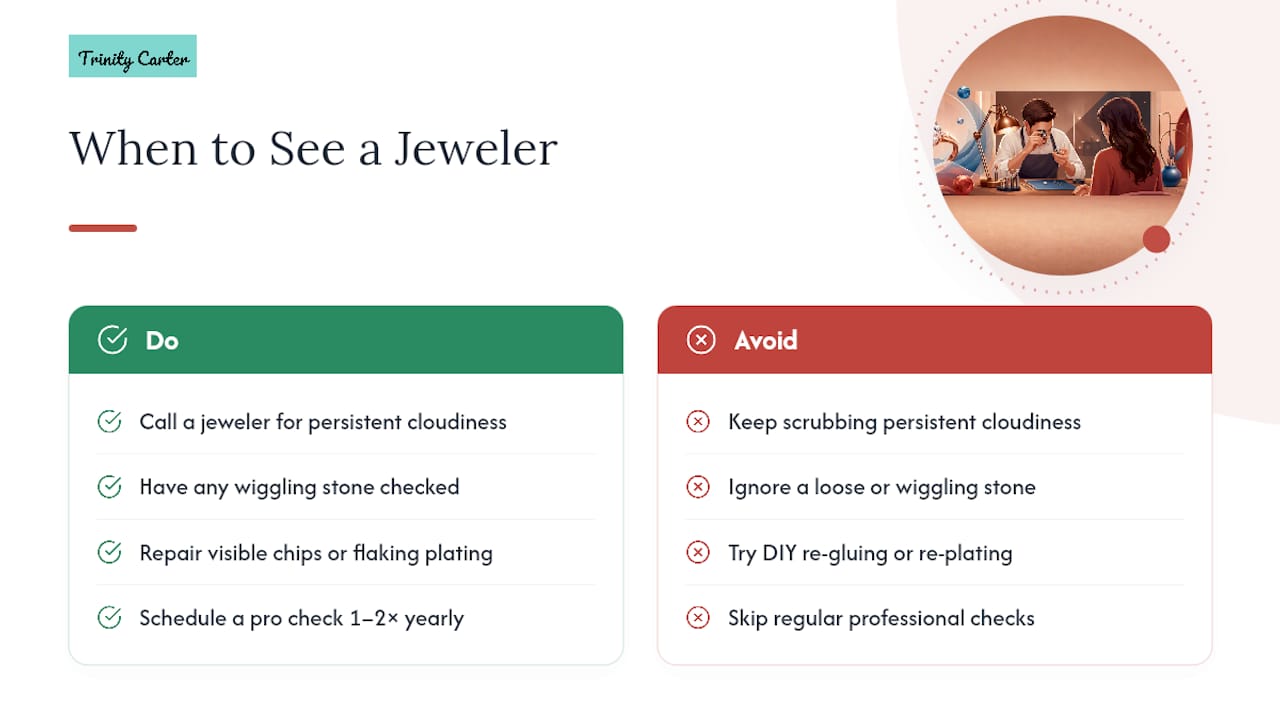
Some problems are beyond a soft brush and warm water. Persistent cloudiness that survives a full cleaning, a stone that wiggles when you touch it, visible chips, or plating that’s lifting or flaking are all signals to stop cleaning and start calling a jeweler.
A jeweler can tighten loosened prongs, remove old glue and reset a stone properly, re-plate a worn finish, or run an inspected ultrasonic or steam cycle that accounts for your piece’s specific materials. For jewelry you wear almost daily, a quick professional check once or twice a year catches loosening prongs and worn plating before they turn into a lost stone or a cracked setting.
Trinity Carter’s Notes on Plated and Crystal-Inlay Pieces
Gold-plated settings and crystal-inlay work need a slightly gentler hand than solid metal alone. Prolonged soaking can wear at a plated finish faster than a quick wash, and abrasive cloths marketed for silver can strip plating you actually want to keep.
- Skip long soaks. A brief dip and gentle brush works better than sitting a plated piece in water.
- Avoid dip-style silver cleaners and rough polishing cloths on plated gold finishes.
- Check the difference between cubic zirconia and diamond care needs if you’re mixing pieces in a collection.
- Browse ring-specific care guidance if you wear stacked or everyday rings often.
Why We Build Our Collections Around Cubic Zirconia
CZ gives us the fire and clarity people want from designer-inspired pieces without pricing out everyday wear, which fits how Trinitycarter approaches affordable luxury. With the routine care outlined here, a well-made CZ piece holds its brilliance for years, not months. If a piece ever looks off despite proper cleaning, reach out to us directly rather than guessing at the fix.
— Trinity
Shop Care-Friendly Cubic Zirconia Pieces at Trinity Carter
Unlike jewelry that demands special cleaning kits or frequent professional polishing, Trinitycarter’s gold-plated designs are built for the warm water and soft brush routine covered above, no extra products required.

Our rings collection and necklaces collection feature secure prong settings designed to hold up to the cleaning steps in this guide, and pieces like the Blossom Flowergram Ring show how crystal-inlay detailing can still be low-maintenance when the setting is done right. If you’re not sure whether a cleaning product is safe for a specific finish, our team is glad to answer questions before you try anything on a piece you love. Browse the bracelets collection to find a piece that fits your daily routine, then keep it looking new with the steps above.
Sources
For deeper detail on safe cleaning methods and material properties, see Gemslore’s cubic zirconia cleaning guide, JTV’s cleaning walkthrough, CubicZirconia.com’s care and cleaning page, and WikiHow’s step-by-step instructions. For safe cleaning methods on other metals, Octo Maids’ guide to baking soda and silver explains why abrasive home remedies are riskier than they seem.
- How to Clean Cubic Zirconia Jewelry Safely — Gemslore
- How to Clean Cubic Zirconia | JTV
- Cubiczirconia
